
 By Mr.Sun
Investment casting, also known as lost wax casting, is a manufacturing process used to produce high-precision metal parts with complex shapes and excellent surface finishes.
The main purpose of investment casting is to create components that would be difficult or expensive to manufacture using traditional machining or other casting processes.

The process has been used for thousands of years and was originally applied to jewelry and artistic metalwork.
Today, modern industries such as aerospace, automotive, medical equipment, energy, marine, and industrial machinery rely heavily on investment casting to produce reliable and accurate components.
1. Creating Complex Shapes
One of the main purposes of investment casting is to manufacture complex parts with intricate geometries.
Because the process uses wax patterns that are coated with ceramic material, it allows engineers to design shapes that cannot easily be produced through machining or forging.
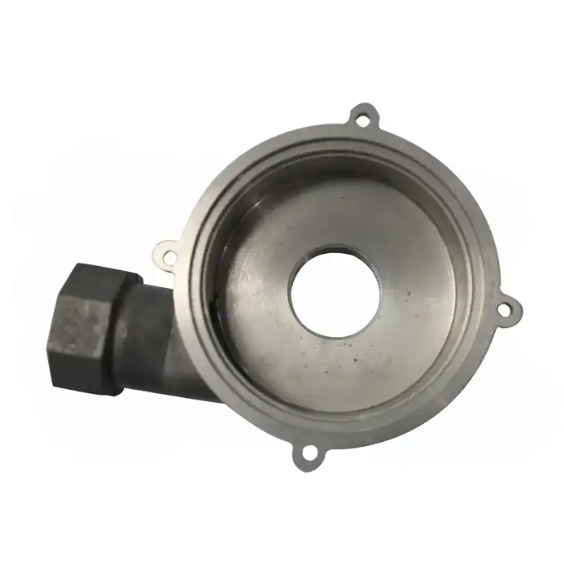
For example, turbine blades, pump impellers, valve components, and aerospace parts often include internal channels, thin walls, and detailed structures.
Investment casting makes it possible to produce these complicated designs accurately.
2. Achieving High Precision
Investment casting is known for its excellent dimensional accuracy. Manufacturers can produce parts with tight tolerances, reducing the need for additional machining or finishing operations.
This level of precision helps reduce manufacturing costs and ensures that components fit perfectly during assembly.
3. Producing Smooth Surface Finishes
Another purpose of investment casting is to achieve high-quality surface finishes. The ceramic molds used in the process capture fine details from the wax pattern, resulting in smooth surfaces.
This reduces the need for polishing or surface treatment and is especially valuable in industries such as medical equipment and aerospace.
4. Supporting Multiple Metal Materials
Investment casting can be used with a wide variety of metals and alloys, including:
-
Stainless steel
-
Carbon steel
-
Aluminum
-
Brass
-
Bronze
-
Superalloys
Because of this flexibility, the process can meet the material requirements of different industries and applications.
5. Reducing Material Waste
Compared with machining from solid metal blocks, investment casting significantly reduces material waste.

The metal is poured directly into the shape of the final product, minimizing excess material removal.
This efficiency helps lower production costs and improves sustainability in manufacturing.
6. Enabling Mass Production
Although investment casting is often associated with precision parts, it is also suitable for large-scale production.
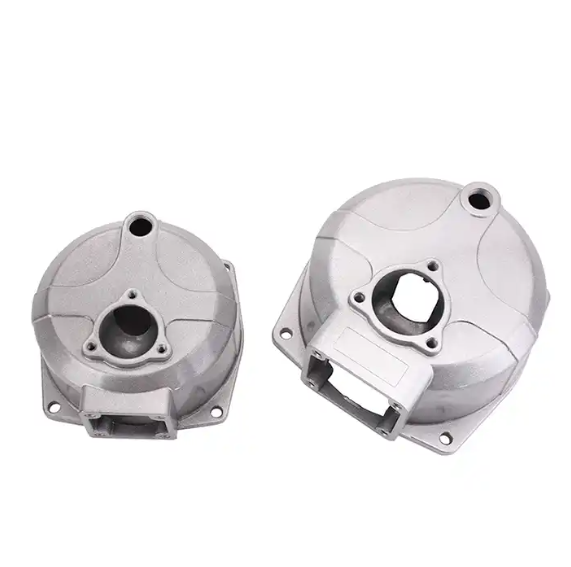
Multiple wax patterns can be assembled into a tree structure and cast at the same time, allowing manufacturers to produce many parts in a single casting cycle.
This makes investment casting both efficient and cost-effective for industrial production.
Key Purposes of Investment Casting
| Purpose | Description | Benefit |
|---|---|---|
| Complex Design Capability | Produces intricate shapes and detailed structures | Allows advanced engineering designs |
| High Precision | Achieves tight dimensional tolerances | Reduces machining and assembly errors |
| Smooth Surface Finish | Creates high-quality surfaces directly from the mold | Less polishing or finishing required |
| Material Flexibility | Works with steel, aluminum, brass, and other alloys | Suitable for many industries |
| Reduced Material Waste | Uses metal efficiently with minimal waste | Lower production cost |
| Mass Production Capability | Multiple parts cast in a single mold tree | Efficient large-scale manufacturing |
Frequently Asked Questions (FAQ)
1. Why is investment casting used in manufacturing?
Investment casting is used because it allows manufacturers to produce high-precision metal components with complex shapes and smooth surfaces. It reduces machining requirements and improves efficiency in industries such as aerospace, automotive, and energy.
2. What industries commonly use investment casting?
Many industries use investment casting, including aerospace, automotive, medical equipment, marine, energy, and industrial machinery. These industries require durable and precise metal components that meet strict quality standards.
3. What materials can be used in investment casting?
Investment casting supports a wide range of materials such as stainless steel, carbon steel, aluminum, bronze, brass, and nickel-based superalloys. This versatility allows manufacturers to meet different mechanical and environmental requirements.
4. Is investment casting suitable for mass production?
Yes. Investment casting can be used for both small batch production and large-scale manufacturing. By assembling multiple wax patterns into a tree, many parts can be cast simultaneously.
5. How does investment casting reduce production costs?
Investment casting reduces costs by minimizing machining, reducing material waste, and producing near-net-shape components. This means less finishing work is required after casting.
6. What are the advantages of investment casting compared to other casting methods?
Compared with sand casting or die casting, investment casting provides higher precision, better surface finish, and the ability to produce complex geometries. This makes it ideal for parts that require strict quality and performance standards.
Get Best China Investment Castings
Join the TripleAce Castings newsletter to receive updates about investment casting, lost wax casting, and custom steel casting solutions.


