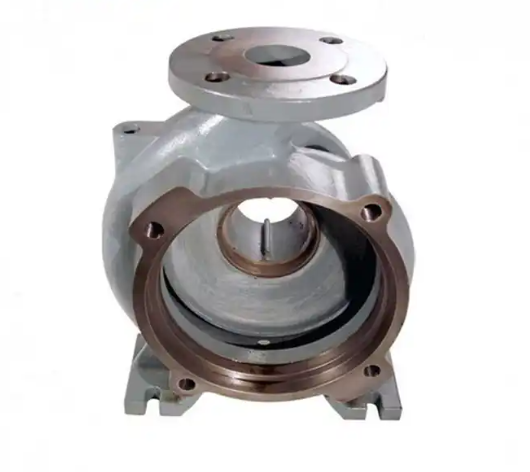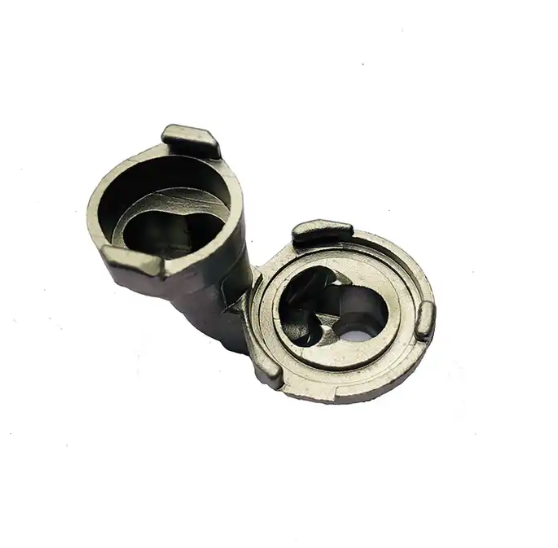
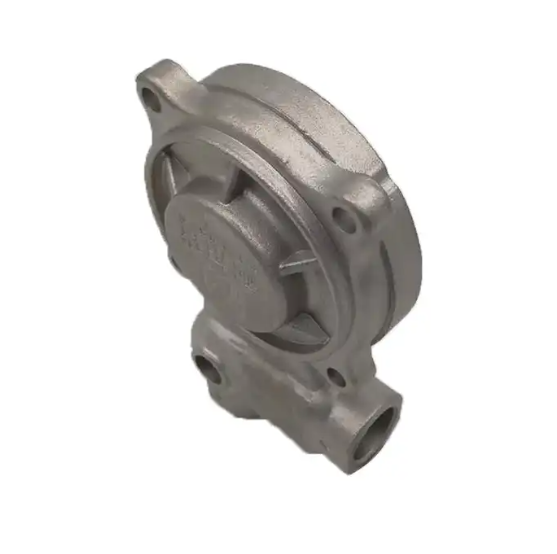

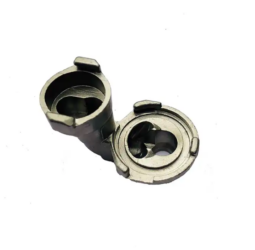
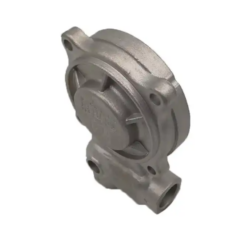


OEM pump casting components need a clear part identity and the current equipment drawing. The supplied housing, cover or other casting must be related to its mating interfaces rather than described only as an accessory. OEM supply is a controlled manufacturing scope, not evidence of universal interchangeability or increased pump performance. Define material, finished operations and acceptance for each ordered item.
Component and assembly scope
Start the OEM enquiry with the actual component number and revision and identify the casting shown on the drawing. Explain whether a reference sample assists fit, appearance or another agreed check. The sample should not silently replace controlled requirements. A component that looks like an existing accessory is not automatically an approved replacement.
Drawing and material requirements
Provide the material and finished-interface requirements, including the mating features and the references used to locate them. List seals, fastening items and other separate parts included or excluded. Identify the required delivered surface condition and any examinations. The OEM label does not supply dimensions, material equivalence or a pump performance improvement.
Manufacturing and acceptance
Review the route from starting casting through machining and finished inspection on the approved revision. Agree what the first article must demonstrate and keep the required records linked to the supplied item. Resolve deviations and relevant manufacturing changes before repeat supply. Confirm quantity, documentation and delivery scope through the quotation rather than relying on copied high-performance or fixed lead-time statements.


Send the OEM part identification and current drawing with the mating-interface and finished-condition requirements. State which separate items and records are included. This makes repeat orders traceable without implying that a similar-looking casting is universally interchangeable.