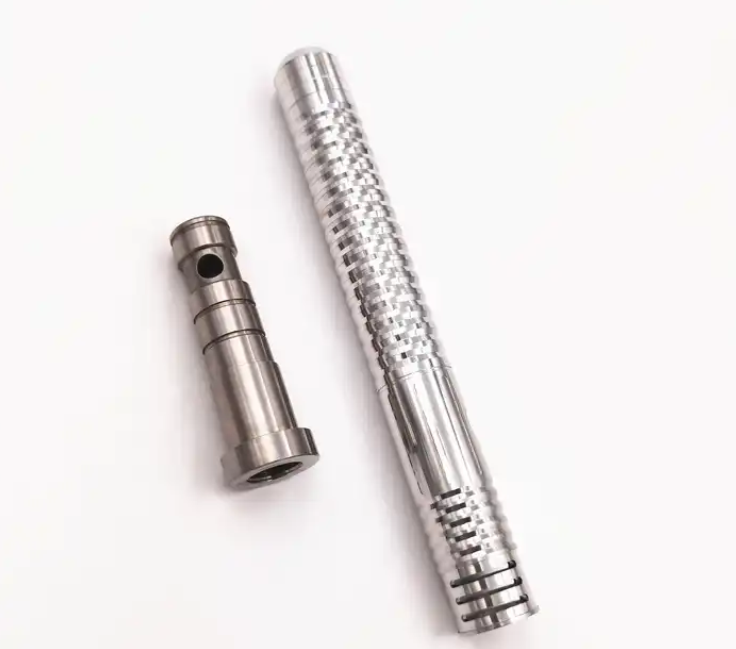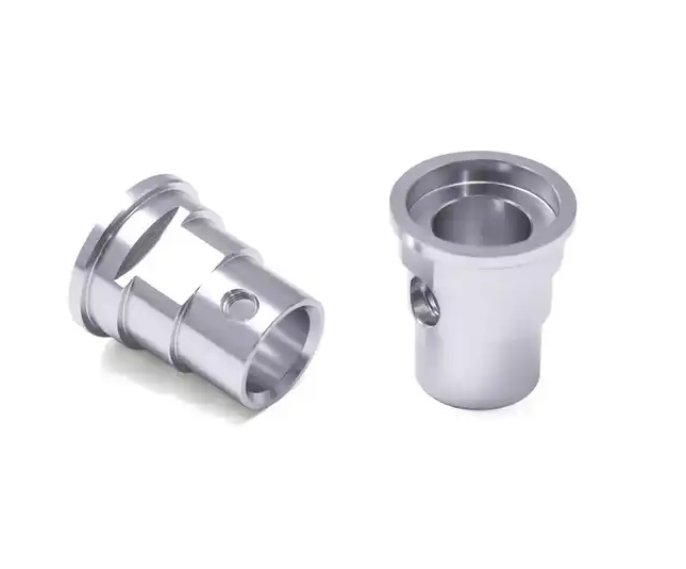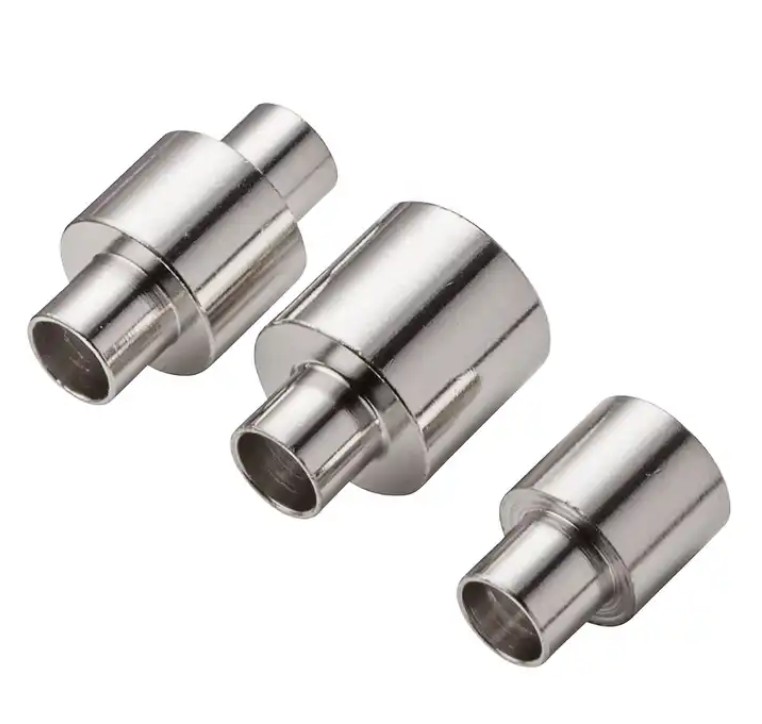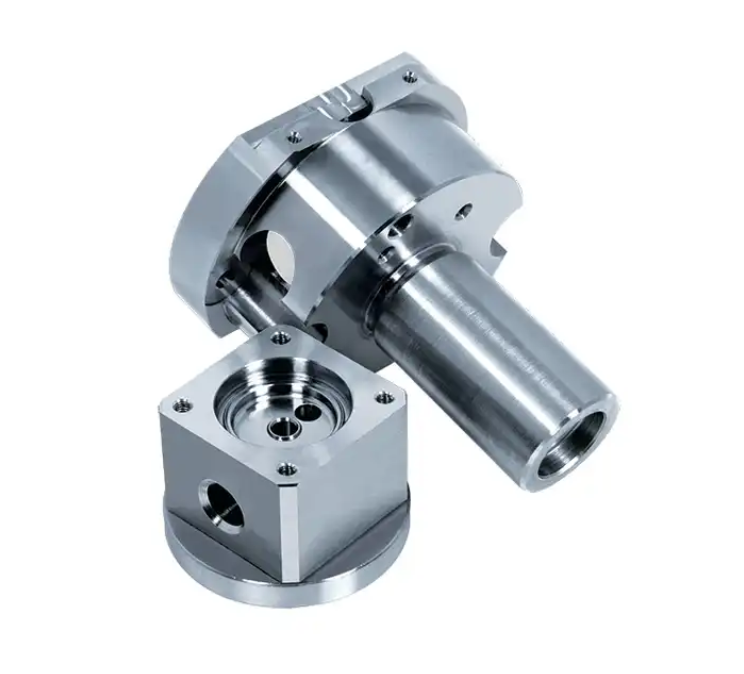


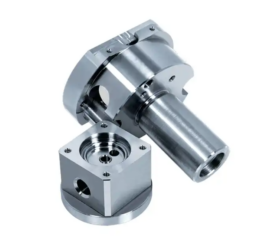


Precision CNC stainless steel parts should be ordered using the actual stainless grade, product form and functional drawing controls. Stainless is not a single material and precision is not a numerical tolerance. Define the machined interfaces, required surface condition and any later treatment, then agree the measurement and material evidence appropriate to the supplied component.
Component and route
The stainless machining scope should identify the actual component and its delivered condition. A machined casting and a component cut from wrought stock have different starting requirements. State which route is proposed and how the finished part is defined. Do not transfer properties or equivalence claims from a familiar stainless nickname into the order. The controlled drawing establishes the actual fits and surface requirements.
Drawing and material requirements
Provide the grade and product-form requirement with the relevant condition and processing instructions. Identify the locating faces, bores, threads and other interfaces by the approved datums. State where a surface measurement, cosmetic sample or additional cleaning requirement applies. A polished exterior does not prove corrosion resistance for every service, and a material certificate does not establish every finished dimension or contact relationship.
Manufacturing and acceptance
Review the operation sequence and access to the functional features before sample production. Keep cleaning and any specified passivation or other treatment distinct from machining and cosmetic polishing. Accept the first article against its drawing and agreed evidence, with deviations recorded for review. Include quantity and required documents in the quotation request; avoid treating broad quality claims or copied delivery terms as component-specific acceptance.


For a stainless machined part, state the actual material product form and finish as well as the functional dimensions. Identify any post-machining treatment and its acceptance basis. The word precision should be translated into the controlled drawing requirements, not an unsupported universal tolerance.