
 By Mr.Sun
Investment casting, also known as lost wax casting, is one of the most precise and widely used metal manufacturing processes in the world.
It is especially popular in industries such as automotive, aerospace, machinery, medical equipment, and industrial components.
Many global buyers source from China investment casting manufacturers, suppliers, factories, and exporters due to competitive price, stable quality, and strong engineering support.
At the center of this process is tooling. Tooling is one of the most important cost elements when producing custom metal parts.
If you are planning to work with an experienced company like Honyang Casting, understanding tooling cost, tooling design, and tooling quotation will help you make better decisions and control your overall project budget.
Investment casting starts with wax patterns. These wax patterns are created using precision tooling, then dipped into ceramic slurry to form a shell mold.
After the wax is melted away, molten metal is poured into the cavity to form the final casting parts.
Because each product is customized, tooling must be designed and manufactured specifically for each project.
Tooling cost is usually a one-time expense, and in most cases, the tooling belongs to the customer after production.
However, the tooling price can vary greatly depending on many technical and commercial factors.
What Is Tooling in Investment Casting?
Tooling refers to the molds and dies used to produce wax patterns in the investment casting process.
These tools are typically made from aluminum or steel and are designed based on the part drawing.
For any investment casting manufacturer, tooling is the foundation of production.
Without accurate tooling, it is impossible to achieve tight tolerances, smooth surface finish, and consistent quality.
This is why professional investment casting suppliers and factories invest heavily in tooling design and CNC machining capabilities.
Companies like Honyang Casting provide full-service solutions, including tooling design, tooling manufacturing, sample validation, and mass production.
Key Factors That Affect Tooling Cost
1. Part Size
Part size is one of the biggest factors affecting tooling cost.
Larger parts require bigger molds, more raw material, and longer machining time.
For example, a small stainless steel casting may require simple tooling, while a large industrial component will need heavy-duty molds and more complex structure.
This directly increases tooling price, especially when working with high-quality China investment casting factories.
2. Production Volume
Production quantity plays a major role in tooling quotation.
If your order volume is high, the manufacturer may recommend multi-cavity tooling.
Multi-cavity molds allow multiple wax patterns to be produced at once, improving efficiency and reducing per-unit cost.
However, multi-cavity tooling is more expensive to design and manufacture.
It requires more engineering work, more materials, and higher precision machining. This increases the initial tooling cost but lowers long-term production cost.
3. Casting Complexity
Complex designs increase tooling difficulty.
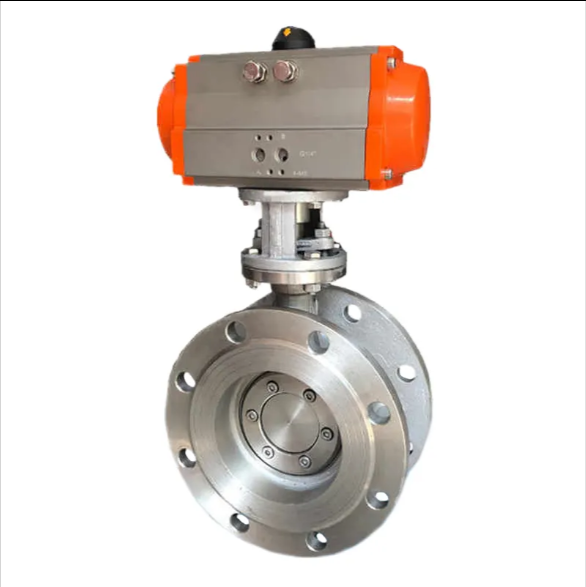
Parts with thin walls, deep holes, undercuts, or tight tolerances require advanced tooling with moving components.
The more complex the geometry, the higher the tooling cost. Investment casting suppliers must carefully design the tool structure to ensure proper wax injection, easy mold release, and consistent part quality.
4. Wax Cores and Internal Features
If your casting part has internal cavities or hollow sections, wax cores are required. Each core needs its own tooling, which increases total tooling price.
Complex core designs also require higher precision and additional engineering time. This is a common situation in aerospace and pump parts, where internal flow channels are critical.
5. Material Selection
The type of material used for both tooling and casting parts affects cost. Tooling materials such as aluminum are cheaper but may not last as long as hardened steel.
For casting, materials like stainless steel, carbon steel, alloy steel, or high-temperature alloys can influence machining difficulty and tooling wear. Reliable investment casting exporters will recommend the best material based on your application and budget.
6. Tool Wear and Lifetime
Tool wear is an important consideration for long-term production. During high-volume manufacturing, tooling can wear out due to friction, heat, and repeated use.
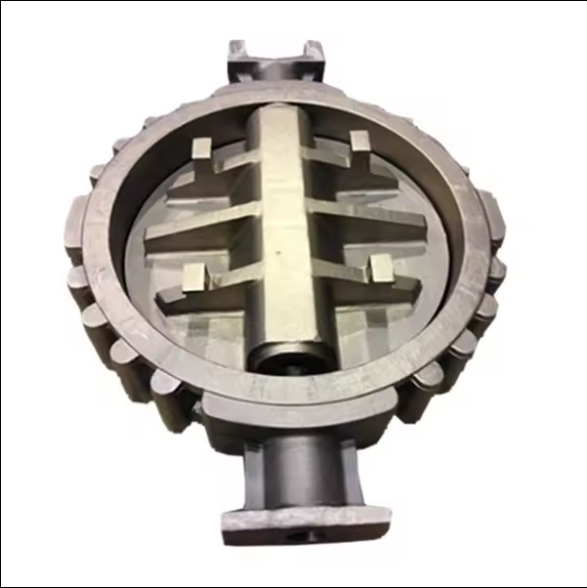
High-quality tooling from professional factories like Honyang Casting is designed to last longer and reduce maintenance cost. However, in some cases, tooling repair or replacement may be needed, especially when producing hard metal parts.
Tooling Manufacturing Process
Understanding the tooling manufacturing process helps buyers better evaluate supplier capabilities. A typical process includes:
- Product drawing analysis
- Tooling design and engineering
- CNC machining of tooling
- Tool assembly and testing
- Wax sample production
- Dimensional inspection and approval
Experienced investment casting manufacturers provide full support during this stage to ensure tooling accuracy and reduce production risks.
Tooling Cost Range and Quotation
Tooling cost varies depending on project requirements. In general:
- Simple tooling: $1,000 – $3,000
- Medium complexity tooling: $3,000 – $10,000
- High complexity or multi-cavity tooling: $10,000 – $20,000+
There is no fixed price because each casting part is unique. To get an accurate tooling quotation, you need to provide:
- 2D drawings or 3D files
- Material requirements
- Annual quantity
- Surface finish requirements
- Tolerance specifications
Professional China investment casting suppliers and exporters will analyze your design and provide a detailed quotation.
How to Reduce Tooling Cost
Many buyers want to lower tooling cost without affecting quality. Here are some practical strategies:
- Simplify part design where possible
- Avoid unnecessary complex features
- Increase order volume to justify tooling investment
- Work with experienced manufacturers
- Optimize material selection
Working with a reliable partner like Honyang Casting can help you balance cost, quality, and production efficiency.
Why Choose China Investment Casting Manufacturers?
China is one of the leading global hubs for investment casting manufacturing. Many buyers choose Chinese suppliers because of:
- Competitive price and cost advantage
- Advanced manufacturing technology
- Skilled engineers and workers
- Strong export experience
- Flexible customization capabilities
Top China investment casting factories and exporters provide high-quality products with global standards and certifications.
Conclusion
Tooling cost is a critical part of the investment casting process. It directly affects product quality, production efficiency, and overall project cost. Understanding tooling factors such as part size, volume, complexity, and material can help you make better sourcing decisions.
Whether you are working on small batch production or large-scale manufacturing, choosing the right investment casting manufacturer is essential. Companies like Honyang Casting offer professional engineering support, accurate tooling design, and competitive quotation to help you succeed in your project.
FAQ About Investment Casting Tooling
1. What is tooling cost in investment casting?
Tooling cost refers to the expense of designing and manufacturing molds used to create wax patterns. It is usually a one-time cost quoted by the manufacturer or supplier.
2. Why is tooling cost so different between suppliers?
Different investment casting factories use different materials, machines, and engineering standards. This leads to variation in tooling price and quotation.
3. Can tooling cost be refunded?
In most cases, tooling cost is not refundable, but the tooling becomes the property of the customer after payment.
4. How long does tooling last?
Tooling lifetime depends on material, design, and production volume. High-quality tooling from professional manufacturers can last for thousands of cycles.
5. How can I get the best tooling quotation?
Provide detailed drawings, clear requirements, and expected order volume. Work with experienced suppliers like Honyang Casting to get accurate pricing and technical support.

Get Best China Investment Castings
Join the TripleAce Castings newsletter to receive updates about investment casting, lost wax casting, and custom steel casting solutions.


