
 By Mr.Sun
A warmer mold can change filling behavior, but it is only one part of a controlled casting route.
Investment casting shell preheating influences the thermal conditions that molten alloy encounters as it enters the cavity. It can be relevant to thin-feature filling, yet it cannot be selected independently of alloy, geometry and the rest of the process. A useful review treats preheating as a controlled condition with evidence, rather than a universal instruction to make the shell hotter.
Contents
Understand the heat-transfer problem
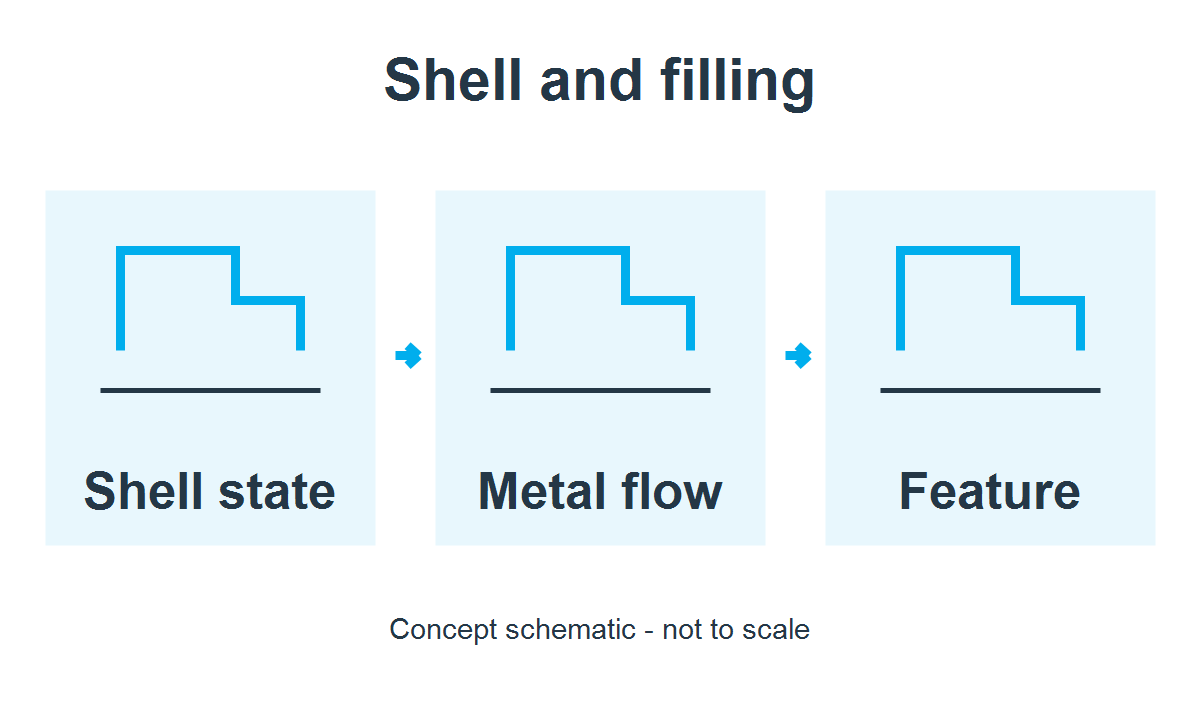
Metal begins transferring heat to the mold as it flows. A thin feature or long flow path can lose the opportunity to fill before the cavity is complete. The shell thermal condition contributes to that behavior, together with metal delivery, alloy properties and the geometry itself. It is one variable in a connected system.
A short thin rib near a metal entry and a distant thin wall may behave differently. Show the entire component during the review. A minimum wall value alone does not describe how far metal must travel, how the cavity is connected or which regions are likely to be most difficult.
Distinguish the furnace condition from the mold at pouring
A recorded heating condition is not automatically the same as the shell condition at the moment metal enters. Transfer, waiting and handling belong to the route. The supplier should define the controlled sequence and how it establishes that the mold is ready for pouring within the approved process window.
The buyer generally needs evidence that the route is qualified and followed, rather than an isolated temperature copied from another part. Avoid prescribing a universal number. The suitable window depends on the actual materials, geometry, equipment and acceptance requirements.
| Review point | Practical check |
|---|---|
| Geometry | Thin region, flow length and cavity connections |
| Thermal route | Heating, transfer and approved pouring window |
| Trial acceptance | Filling plus surface, dimensional and material requirements |
Do not use heat to hide a design problem
An incomplete feature can arise from more than one mechanism. Metal entry, cavity access, shell condition and the pattern or core arrangement may need investigation. Changing only preheat can obscure the cause, especially if other conditions change at the same time during an urgent trial.
Review whether the geometry can be improved without compromising function. A revised transition or local section may help, but approval should account for assembly and service needs. The manufacturing objective is not simply a complete-looking part; it is a conforming component with a repeatable route.
Evaluate the complete result of a trial
If preheating is varied in a controlled trial, define what will be checked beyond fill completeness. Surface condition, dimensions and any required material examinations remain relevant. A change that fills one feature but creates another unacceptable condition is not a successful process improvement.
Keep sample identity, drawing revision and process observations together. Compare representative results rather than selecting only the best part from each condition. The qualification plan should reflect the component risk and the variability that matters to repeat production.
Write a useful process-review question
Ask how the shell condition is established, how transfer to pouring is controlled and which evidence supports the chosen window for this component. Also ask what happens when the normal sequence is interrupted. A documented disposition is more reliable than an informal decision to proceed because the shell still feels hot.
Shell preheating is valuable when it is understood as part of the whole route. Connect it to alloy, geometry, metal delivery and final inspection. That approach supports thin-feature manufacturing without turning a temperature adjustment into an unsupported promise of universal filling capability.
For a component-specific discussion, review the product and manufacturing overview and use the contact page with the current drawing and required delivery condition.

Get Best China Investment Castings
Join the TripleAce Castings newsletter to receive updates about investment casting, lost wax casting, and custom steel casting solutions.


