
 By Mr.Sun
Casting is one of the most important metal manufacturing processes used worldwide.
It involves pouring molten metal into a mold to create a desired shape. Once the metal solidifies, the mold is removed, leaving behind a finished or near-finished part.

Today, the three most widely used casting methods are die casting, investment casting (lost wax casting), and sand casting.
Each process has its own advantages, limitations, cost structure, and ideal applications.
If you are sourcing from China casting manufacturers, suppliers, factories, or exporters, understanding these differences is critical.
It helps you choose the right process, reduce cost, and improve product quality.
Companies like Honyang Casting provide full-service solutions across different casting technologies, helping global buyers make smarter decisions.
What Is Casting and Why It Matters
Casting is widely used because it allows manufacturers to produce complex metal parts with minimal machining.
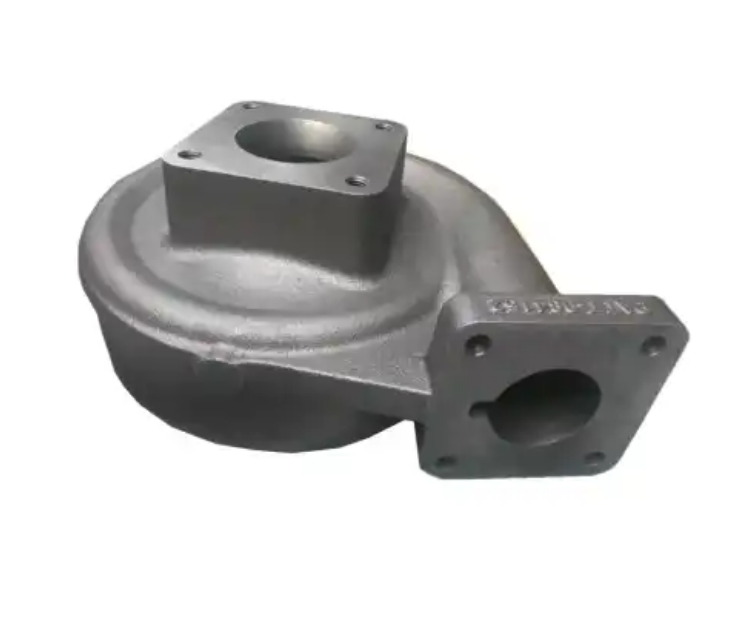
Compared to other manufacturing methods like forging or CNC machining, casting can reduce material waste and production cost.
Different industries rely on casting, including:
- Automotive parts (engine components, brackets)
- Pump and valve components
- Aerospace parts
- Construction machinery
- Agricultural equipment
- Medical devices
The key to success is selecting the right casting method based on part size, material, tolerance, and volume.
What Is Die Casting?
Die casting is a high-pressure casting process where molten metal is injected into a steel mold (die). These molds are precision-machined and designed specifically for each product.
Die casting is commonly used for high-volume production of non-ferrous metal parts, such as aluminum, zinc, and magnesium.
Die Casting Advantages
Die casting offers several major advantages:
1. High Precision and Accuracy
Die casting produces parts with excellent dimensional accuracy and repeatability. This reduces the need for secondary machining.
2. Smooth Surface Finish
Parts come out with a clean and smooth surface, which lowers finishing cost.
3. Thin Wall Capability
Die casting allows the production of thin-walled and lightweight parts without sacrificing strength.
4. High Production Efficiency
It is ideal for mass production. Once tooling is ready, thousands of parts can be produced quickly.
5. Complex Shapes
Die casting is perfect for parts with intricate geometries and internal features.
Die Casting Disadvantages
Despite its benefits, die casting has limitations:
- High tooling cost (initial investment is expensive)
- Limited to non-ferrous metals
- Not suitable for very large parts
- Best for high-volume production only
This means die casting may not be the best choice for small orders or steel parts.
What Is Investment Casting?
Investment casting, also known as lost wax casting, is a precision process that produces highly detailed metal parts.
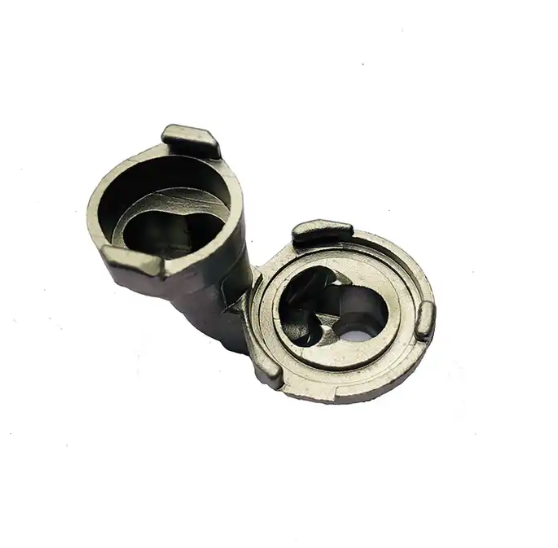
The process includes creating a wax pattern, coating it with ceramic slurry, melting the wax, and pouring molten metal into the mold.
At Honyang Casting, this method is widely used for high-precision components with tight tolerances and excellent surface finish.
Investment Casting Advantages
1. Excellent Surface Finish
Investment casting produces smooth surfaces, reducing or eliminating machining.
2. Tight Tolerances
It offers high dimensional accuracy, making it ideal for precision parts.
3. Material Flexibility
Unlike die casting, it supports ferrous metals, including stainless steel, carbon steel, and alloy steel.
4. Complex Geometry
It can produce highly complex shapes, including internal cavities.
5. Wide Size Range
Investment casting can produce both small and medium-to-large parts.
6. Reduced Material Waste
Near-net shape production reduces waste and improves cost efficiency.
Investment Casting Disadvantages
- Higher cost than sand casting
- Longer production cycle
- Each mold is destroyed after use
- Not as fast as die casting for mass production
However, for many industries, the benefits outweigh the drawbacks, especially when precision and quality are critical.
What Is Sand Casting?
Sand casting is one of the oldest and most flexible casting methods. It uses sand molds formed around a pattern. After the pattern is removed, molten metal is poured into the cavity.
This method is widely used by casting factories and exporters because of its low cost and flexibility.
Sand Casting Advantages
1. Low Tooling Cost
Sand molds are inexpensive compared to metal molds.
2. Suitable for Large Parts
It is ideal for producing large and heavy components.
3. Flexible Production Volume
Works well for both small and medium production runs.
4. Wide Material Selection
Supports both ferrous and non-ferrous metals.
Sand Casting Disadvantages
- Rough surface finish
- Lower dimensional accuracy
- Requires more machining
- Not suitable for high-precision parts
This makes sand casting less ideal for industries requiring tight tolerances.
Die Casting vs. Investment Casting vs. Sand Casting
Here is a simple comparison to help buyers choose the right process:
Die Casting
Best for: High-volume production, small parts, non-ferrous metals
Advantages: High precision, fast production
Disadvantages: High tooling cost, limited materials
Investment Casting
Best for: Complex parts, tight tolerances, steel materials
Advantages: Excellent finish, flexible materials
Disadvantages: Higher cost, slower production
Sand Casting
Best for: Large parts, low cost, simple designs
Advantages: Low tooling cost, flexible size
Disadvantages: Rough finish, lower accuracy
How to Choose the Right Casting Method
Choosing the right casting process depends on several key factors:
1. Part Size
Large parts → Sand casting
Small precision parts → Investment or die casting
2. Production Volume
High volume → Die casting
Low to medium volume → Investment or sand casting
3. Material
Steel parts → Investment or sand casting
Aluminum parts → Die casting
4. Tolerance and Finish
High precision → Investment or die casting
Low precision → Sand casting
5. Budget
Low budget → Sand casting
Balanced performance → Investment casting
High volume efficiency → Die casting
Working with a professional supplier like Honyang Casting ensures the best combination of cost, quality, and production efficiency.
Why Choose China Casting Manufacturers and Suppliers
China is one of the leading global hubs for casting manufacturing. Many international buyers prefer China casting suppliers and exporters due to:
- Competitive price and cost advantage
- Advanced production technology
- Skilled engineering teams
- Strong export experience
- Flexible customization
Reliable factories like Honyang Casting provide full solutions including design, tooling, production, inspection, and shipping.
Cost Comparison of Casting Methods
Cost is always a key concern for buyers. Here is a general idea:
- Die Casting → High tooling cost, low unit cost (for high volume)
- Investment Casting → Medium tooling cost, medium unit cost
- Sand Casting → Low tooling cost, higher machining cost
The best choice depends on your total project requirements, not just initial price.
Future Trends in Casting Industry
The casting industry continues to evolve with new technologies:
- Automation and smart manufacturing
- 3D printing for rapid prototyping
- Advanced alloys and materials
- Improved surface treatment technologies
Leading manufacturers like Honyang Casting are adopting these innovations to improve quality and reduce cost.
Conclusion
Die casting, investment casting, and sand casting each offer unique advantages.
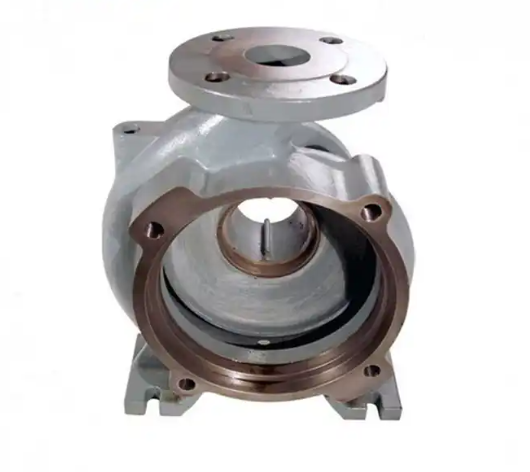
There is no single “best” method—only the best method for your specific project.
- Choose die casting for high-volume, precision aluminum parts
- Choose investment casting for complex steel components
- Choose sand casting for large, low-cost parts
Understanding these differences will help you make better sourcing decisions and optimize your production strategy.
By working with experienced manufacturers like Honyang Casting, you can achieve the perfect balance of price, quality, and efficiency.
FAQ: Casting Methods and Cost
1. Which casting method is the cheapest?
Sand casting is usually the lowest cost option due to cheap tooling, but it may require more machining.
2. Which casting method has the best surface finish?
Investment casting and die casting both provide excellent surface finish, reducing post-processing cost.
3. Can investment casting be used for stainless steel?
Yes, investment casting is ideal for stainless steel and other ferrous alloys.
4. Is die casting suitable for steel parts?
No, die casting is mainly used for non-ferrous metals like aluminum and zinc.
5. How do I get a quotation from a casting supplier?
Provide drawings, material requirements, quantity, and tolerance details. Reliable suppliers like Honyang Casting will offer a detailed quotation.

Get Best China Investment Castings
Join the TripleAce Castings newsletter to receive updates about investment casting, lost wax casting, and custom steel casting solutions.


