
 By Mr.Sun
In manufacturing, casting is usually grouped into three main types based on how the mold is made and used:
1. Sand Casting

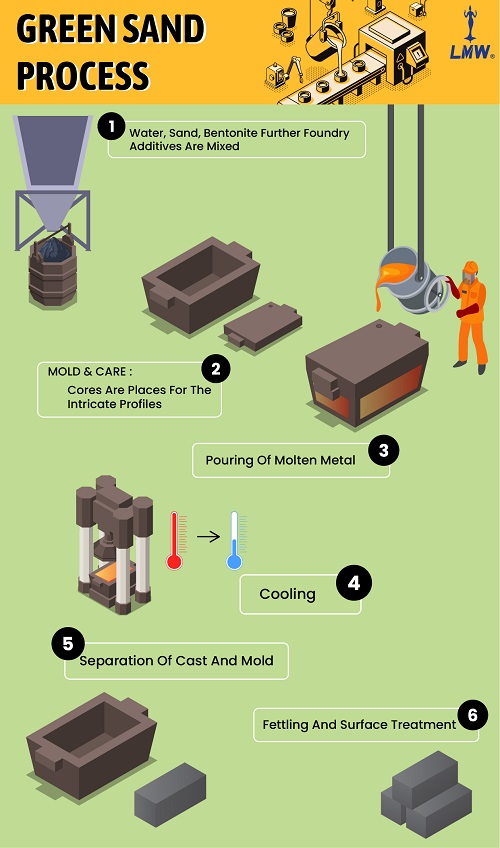
What it is:
Molten metal is poured into a mold made of sand. After cooling, the sand mold is broken to remove the part.
Key features:
- Low cost and simple process
- Suitable for large and heavy parts
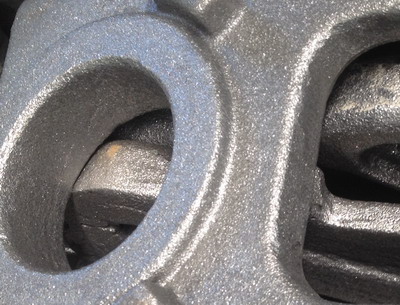
- Rough surface finish
- Mold is single-use
Common uses:
- Engine blocks
- Pump housings
- Agricultural machinery parts
2. Investment Casting (Lost Wax Casting)


What it is:
A wax model is coated with ceramic material. The wax is melted away, leaving a precise mold for metal casting.
Key features:
- Very high precision and smooth surface
- Ideal for complex shapes
- Higher cost than sand casting
- Excellent dimensional accuracy
Common uses:
- Aerospace parts (e.g., turbine blades)
- Medical instruments
- Jewelry
3. Die Casting

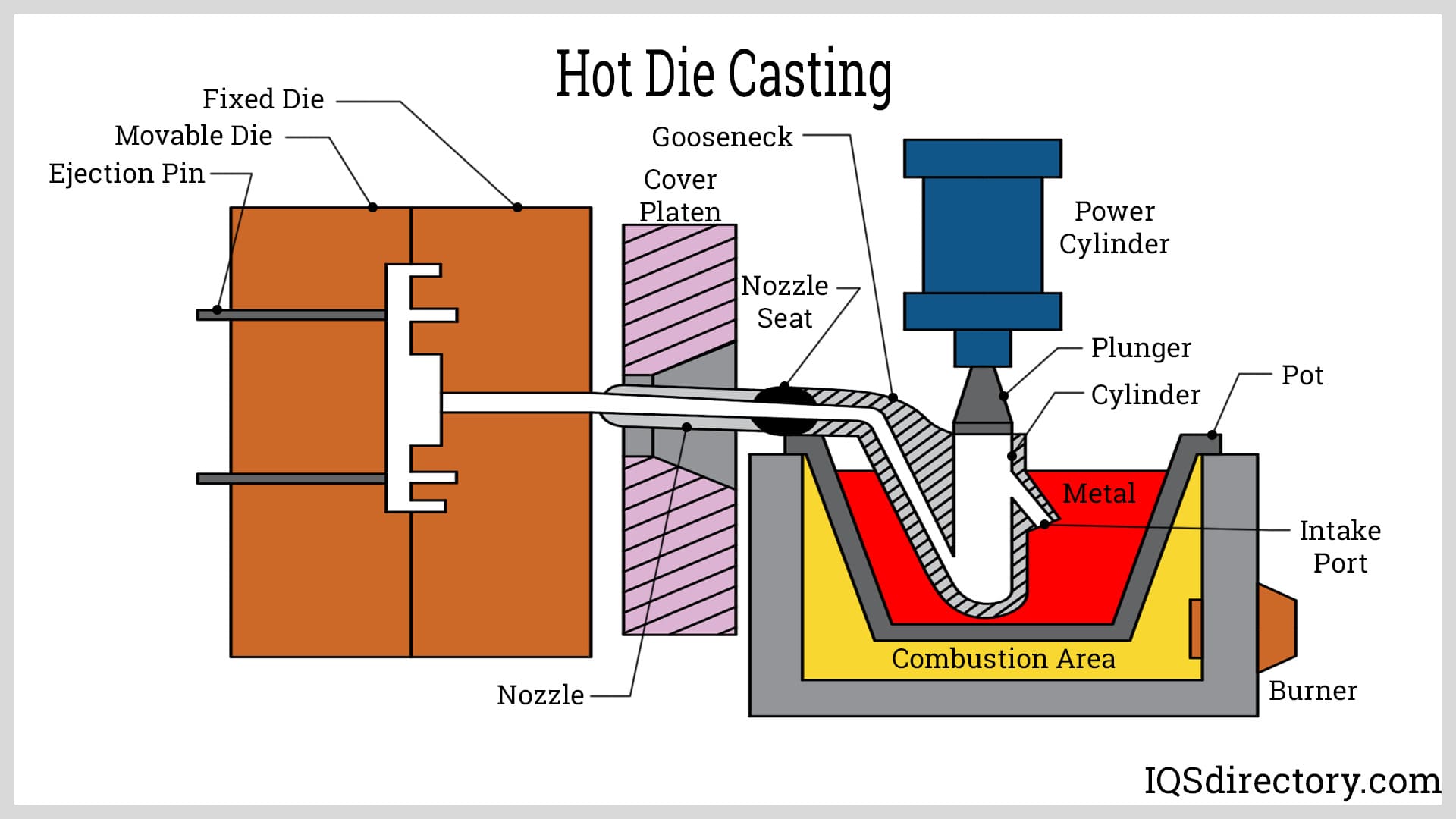
What it is:
Molten metal is injected into a steel mold (die) under high pressure.
Key features:
- High production speed
- Excellent surface finish
- High dimensional accuracy
- Mold is reusable (long life)
Common uses:
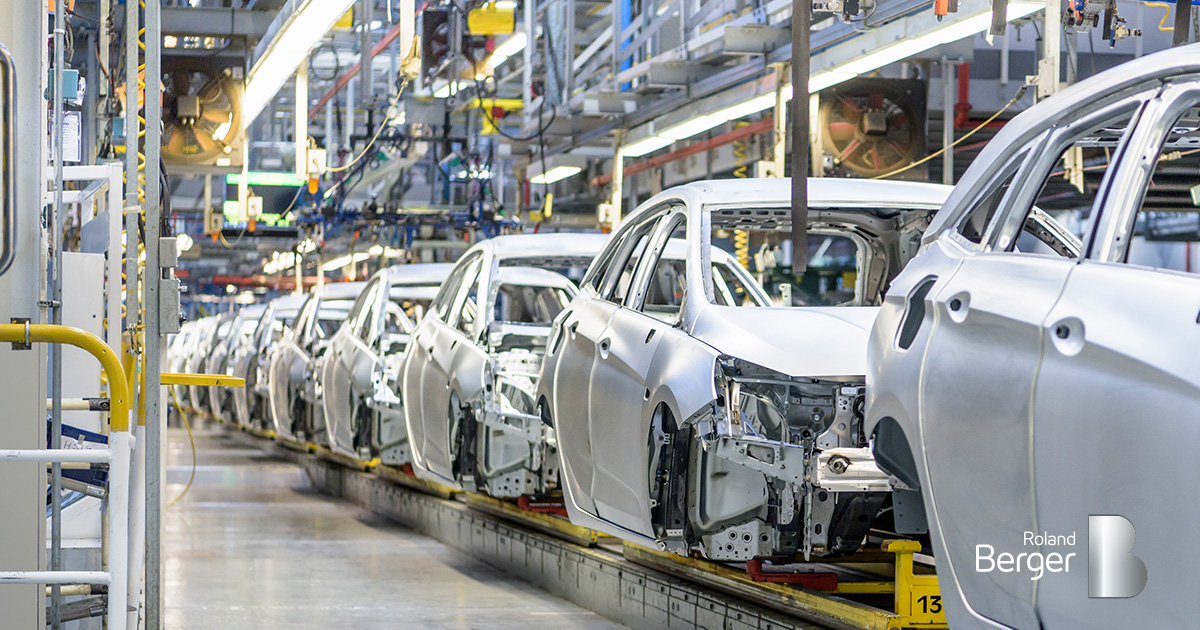
- Automotive parts
- Electronics housings
- Aluminum and zinc components
Quick Comparison Table
| Type | Mold Type | Cost | Accuracy | Surface Finish | Production Volume |
|---|---|---|---|---|---|
| Sand Casting | Sand (single-use) | Low | Medium | Rough | Low–Medium |
| Investment Casting | Ceramic (single-use) | Medium–High | Very High | Smooth | Low–Medium |
| Die Casting | Steel (reusable) | High (tooling) | High | Very Smooth | High |
Frequently Asked Questions (FAQ)
1. What are the three main types of casting?
The three main types of casting are sand casting, investment casting (lost wax casting), and die casting. These casting processes are widely used by casting manufacturers, suppliers, and factories around the world, including China exporters. Each type has different advantages in terms of price, accuracy, and production volume.
2. Which casting method is the cheapest?
Sand casting is usually the cheapest casting method. It is widely used by China casting factories and suppliers because the mold material (sand) is low cost and easy to make. This process is ideal for large parts and small production quantities where price is a key factor.
3. Which casting method has the best surface finish?
Die casting provides the best surface finish among the three types. Manufacturers and suppliers use die casting to produce smooth and precise metal parts with minimal machining. This is why many exporters recommend die casting for automotive and electronics components.
4. What is the most accurate casting process?
Investment casting is the most accurate casting process. It can produce complex shapes with tight tolerances and excellent surface quality. Many precision casting factories in China use this method for aerospace, medical, and high-end industrial parts.
5. Which casting process is best for large parts?
Sand casting is the best choice for large and heavy metal parts. Many casting manufacturers and suppliers prefer this method because it allows flexible mold sizes and lower production costs. It is commonly used in machinery and pump part factories.
6. Which casting method is best for mass production?
Die casting is best for high-volume production. Although the mold (tooling) cost is high, the unit price becomes very low when producing large quantities. Many China die casting exporters use this process for automotive and consumer product manufacturing.
7. Why do China casting manufacturers use different casting methods?
China casting manufacturers and suppliers choose different casting methods based on product design, material, required precision, and price. For example, a factory may use sand casting for large parts, investment casting for precision parts, and die casting for mass production.
8. What metals can be used in these casting processes?
Different casting processes support different metals:
- Sand casting: iron, steel, aluminum, bronze
- Investment casting: stainless steel, carbon steel, alloy steel
- Die casting: aluminum, zinc, magnesium
Manufacturers and exporters in China offer a wide range of materials based on customer needs.
9. How do I choose the right casting supplier or factory?
To choose the right casting supplier or factory, you should consider:
- Experience and certifications
- Product quality and tolerance
- Price and quotation transparency
- Export experience and communication
Many China casting suppliers and exporters offer OEM and custom solutions for global buyers.
10. What factors affect casting price?
Casting price depends on several factors:
- Material type (steel, aluminum, etc.)
- Casting method (sand, investment, die casting)
- Part size and complexity
- Production quantity
- Tooling cost (especially for die casting)
Reliable manufacturers and suppliers will provide detailed quotations to help buyers understand the total cost.
11. Is investment casting better than sand casting?
Investment casting is better for precision and surface quality, while sand casting is better for low cost and large parts. Many casting factories in China offer both services so customers can choose the best solution based on their product and budget.
12. Why is die casting popular in manufacturing?
Die casting is popular because it offers high efficiency, consistent quality, and low cost per unit in mass production. Many global manufacturers and China exporters use die casting for automotive parts, electronics housings, and industrial components.

Get Best China Investment Castings
Join the TripleAce Castings newsletter to receive updates about investment casting, lost wax casting, and custom steel casting solutions.


