Specify CNC Machined Components by Material and Operation
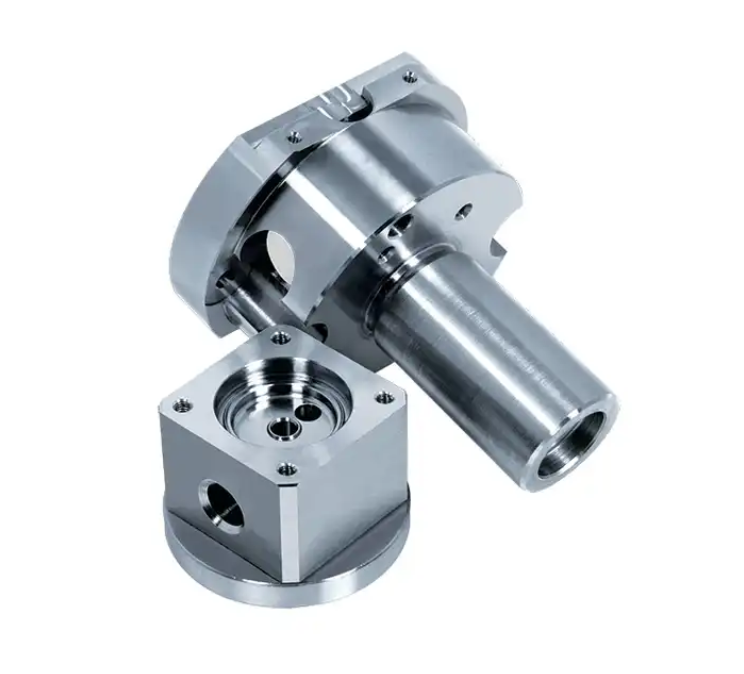
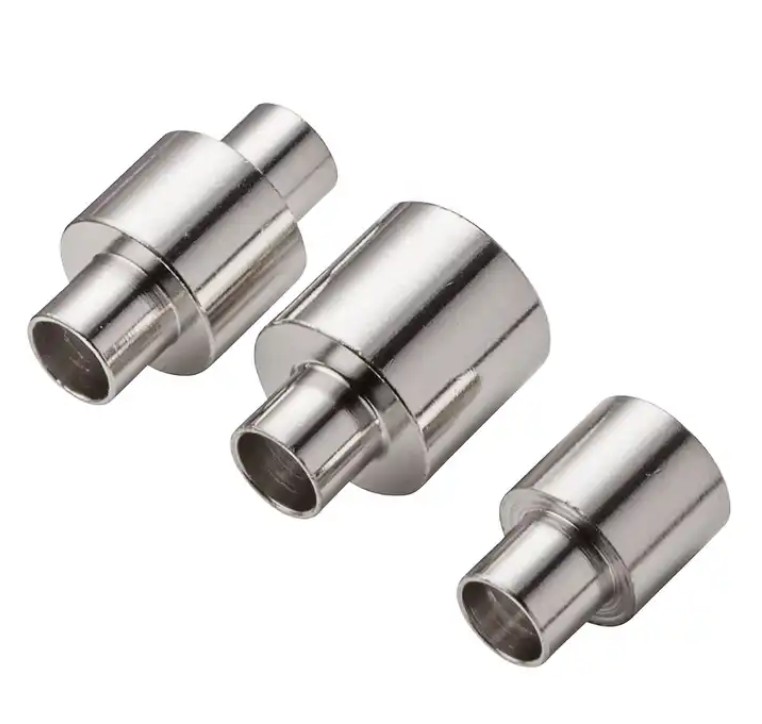
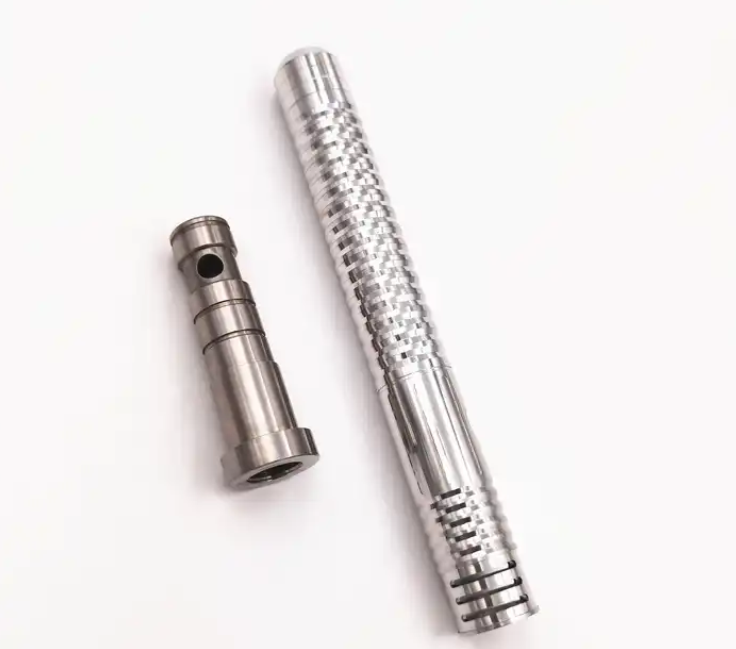
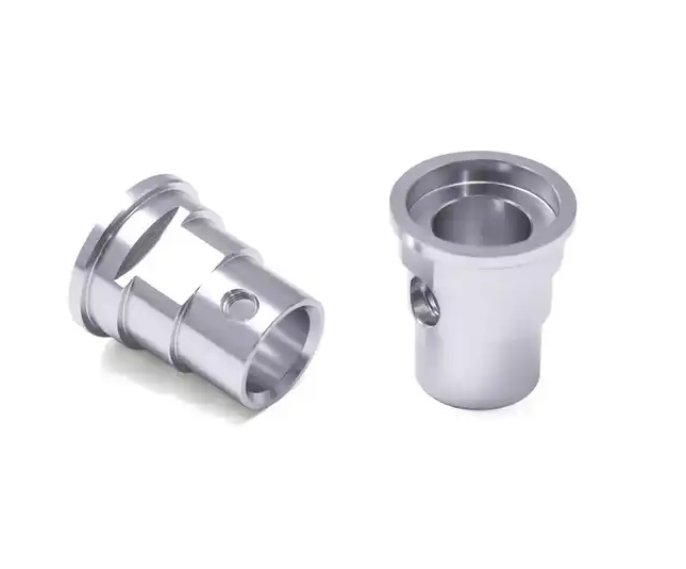
A CNC machined part should be defined by its controlled geometry, material and delivered condition. The four entries on this page approach that requirement from steel, stainless steel, aluminum and turning. These are useful enquiry routes, but they are not mutually exclusive product categories. A stainless component can also be a turned part. The actual part identity and finished scope determine what is supplied.
Start with the current model and drawing revision and identify the interfaces that control assembly fit or function. A machining label does not establish a tolerance, surface requirement or material property. Clear input lets the supplier review feasibility and lets purchasing compare offers covering the same component rather than different interpretations of its manufacture.
1. Identify the material and starting product form
State the actual material requirement and delivered condition. Steel, stainless steel and aluminum each include different grades and supply forms. A cast blank, forging and wrought stock component should not silently share the same material acceptance basis merely because they will be machined to a similar outline.
Identify who supplies the starting form and which preparation or processing operations are included. If another material or route is proposed, make the deviation visible for technical approval. The component image and a general material nickname cannot replace the approved requirement.
2. Mark functional references before assigning machining scope
Show the faces, bores, threads and profiles that locate or work in the assembly. Relate them to the drawing datum scheme and specify the relevant dimensional and geometric controls. Cosmetic surfaces can have a different acceptance purpose from a seating or working face.
The supplier needs to know which features matter together, not only a collection of nominal dimensions. Include the relevant mating information where it helps define the interface. The actual drawing controls should guide the inspection plan instead of a universal precision statement applied to every surface.
3. Distinguish turning from the complete component route
Turning commonly addresses geometry about a workpiece axis. A finished part can also need milling, drilling, threading or other operations. Describe the complete delivery so a turned blank is not confused with a component whose secondary features and finish are complete.
For rotational geometry, identify the locating axis, shoulders, faces and actual mating connection. For additional features, define their relationship to those references. Material selection remains a separate requirement; the fact that a part is turned does not establish whether it is steel, stainless, aluminum or another approved material.
4. Review access, workholding and delivered surfaces
Provide enough geometry for the supplier to assess how the part can be held and how tools reach the required features. Small openings, thin regions and closely placed features may need specific discussion. The approved finished design should remain distinct from manufacturing adjustments proposed for review.
Define deburring and edge conditions, and identify functional surfaces protected during later finishing. If cleaning, passivation, coating or another treatment is specified, state its required result on the actual material and component. The final delivered dimensions and surface condition should be coordinated across the included operations.
5. Agree evidence for the features being purchased
| Review area |
Question to resolve |
| Material |
Which grade, product form and delivered condition does the record identify? |
| Functional geometry |
Do measurements address the approved datums and related working interfaces? |
| Surface and edges |
Which regions and acceptance requirements apply after the included finishing operations? |
| Additional tests |
What defined purpose and acceptance does each requested check have? |
A material record and a dimensional report answer different questions. Keep the required evidence connected to the part number and revision. Specify additional checks where the approved application requires them, with a clear scope rather than an undefined promise that every possible property is tested.
6. Compare offers and control repeat supply
Include the drawing, quantity, material, starting-form responsibility, finished operations and document list in the request for quotation. Confirm sample and delivery arrangements for that order. An offer excluding treatment or secondary machining should be identified as a different scope when evaluating the delivered price.
Use first-article review to assess the actual component and records, and resolve deviations explicitly. Keep repeat orders tied to the accepted revision and assess relevant changes to material or processing. A consistent manufacturing and acceptance basis makes the category name useful for navigation while the component specification controls the delivery.