Ordering Pump Castings by Component Role and Finished Scope
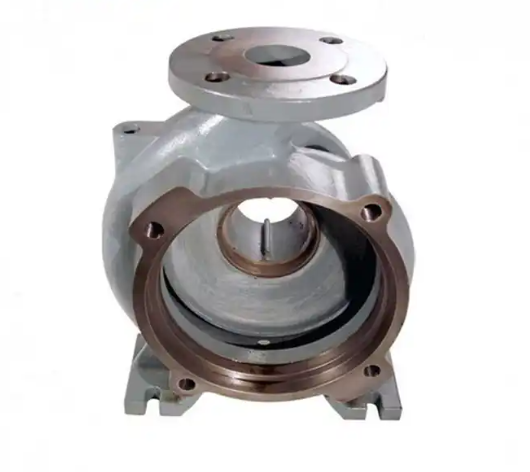
A pump casting enquiry should begin with the item being purchased. A casing, cover and impeller contribute to the assembly in different ways and need different drawing and inspection information. A catalogue photograph can show the configuration, but the controlled component definition establishes what the supplier must deliver. Identify that boundary before comparing prices or discussing manufacturing routes.
The listings on this page cover housing castings, an aluminum body, OEM components and a stainless component family. These entries help organize the enquiry. The order still needs the actual part number, revision, material and delivered condition. Pump duty information can provide useful application context, while the component drawing and acceptance package remain the basis for manufacturing.
1. Separate stationary and rotating component requirements
A stationary housing requires its chamber, ports, mounting features and mating interfaces to be defined. A cover needs the relevant seating, fixing and opening relationships. A rotating component such as an impeller needs its shaft connection and working geometry related to the approved assembly references. These features should be identified individually rather than described with one general pump-quality statement.
State whether the delivery is a casting, a machined component, a set of components or an assembled item. List separate seals, fasteners and other parts included. This prevents an unfinished housing and a complete pump package from appearing equivalent in a commercial comparison.
2. Provide internal geometry and practical acceptance access
Use the model and relevant drawing sections to show chambers, passages and important internal regions. Identify the features that require a defined delivered condition and how any required verification will address them. An exterior dimension cannot describe the complete internal geometry of a housing.
Discuss access for removing production attachments, unwanted edges and residues. Any specific internal examination or cleaning requirement belongs in the approved purchase package. Agree it before sample production so manufacturing and inspection assess the same regions and acceptance criteria.
3. Name the material for the actual supplied item
Specify the casting material and delivered condition, including the governing requirement where applicable. Stainless steel and aluminum each describe broad material families. A familiar grade nickname, a polished exterior or the color of a sample is insufficient to define the actual order.
Keep material evidence linked to the component or batch it represents. If a supplier proposes another material or starting form, identify that alternative for approval. Properties associated with a different product form or an unrelated pump should not silently become acceptance values for the casting being purchased.
4. Coordinate cast stock with finished interfaces
Mark the mating faces, shaft interfaces, connections and mounting features that require machining. Relate them to a controlled datum scheme and identify the specified surface and edge conditions. The casting should support those operations with the necessary geometry and access.
Define what remains as cast and what is supplied finished. Where additional processing follows machining, review its effect on the required delivered condition. Protect seating, sealing and contact regions during finishing and handling rather than accepting a cosmetic result as evidence of functional fit.
5. Ask for evidence that matches the component
| Item or requirement |
Evidence to define in the order |
| Housing or cover interfaces |
Measurements of the specified mating, locating and connection features. |
| Rotating component |
Working geometry and shaft relationships, plus balancing where explicitly required. |
| Material and condition |
The agreed records identifying the supplied material and delivered state. |
| Additional component test |
Its defined method, scope and acceptance under the approved requirements. |
Pressure, leakage, balance and other checks serve different purposes. They are not universal requirements for every pump casting. Specify the applicable checks and identify which are performed on a component and which belong to the assembled pump. A dimensional report does not establish a pump performance curve.
6. Keep OEM repeat orders connected to the accepted basis
Provide the current model and drawing revision, quantities, material requirement, finished operations and document list with the enquiry. Explain the purpose of any reference sample. It can assist a defined comparison, while the controlled requirements establish the supply obligation.
Use the first article to review the actual component and its records. Resolve deviations and record approved changes. Later changes to geometry, material or processing should be assessed against the accepted requirements before repeat supply. This keeps a pump-component order traceable without relying on an unverified performance label or an assumed match from appearance.